
Saudi East-West Pipeline Resumes, Putting Pressure on Oil as Brent Falls Toward $97
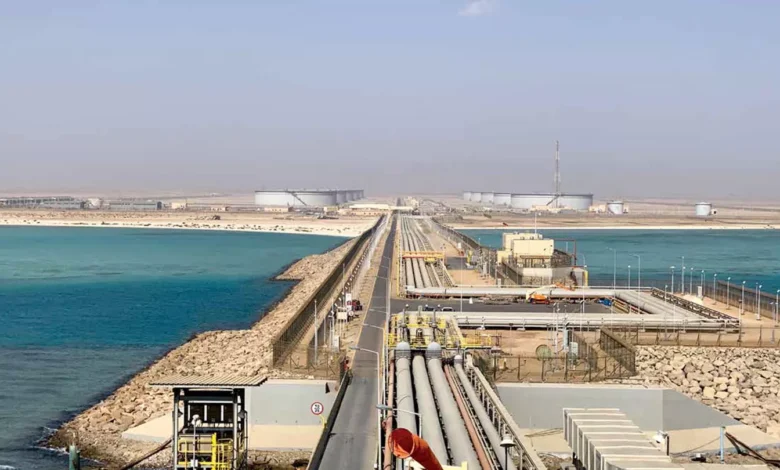
Oil flows through Saudi Arabia’s East-West pipeline resumed on Tuesday, September 22, 2026, in a significant development for the kingdom’s crude supply routes, as global oil prices fell to their lowest levels in nearly two weeks. According to three sources familiar with the matter who spoke to Reuters, operations resumed on the pipeline linking oil production facilities in the Eastern Province with the Red Sea port of Yanbu, with exports from Yanbu potentially resuming gradually.
What happened to the East-West pipeline?
Reuters said the pipeline initially returned to operation at a low flow rate, while Saudi Aramco works to gradually increase throughput. Drone attacks had prompted the kingdom to shut down the pipeline earlier in September, disrupting crude loadings from Yanbu and leading to greater reliance on export ports in the Gulf.
The pipeline’s resumption represents a development distinct from the recent increase in loadings at Ras Tanura, as it once again gives the kingdom a western route to the Red Sea. This adds logistical flexibility at a time when energy activity in the region remains highly sensitive to geopolitical developments.
Yanbu reopens a key export route
Aramco states in its official materials that the East-West pipeline links oil production facilities in the Eastern Province with the city of Yanbu on the western coast, allowing export flexibility through both the eastern and western coasts. The company also says that the Yanbu South Terminal, which began operations in 2018, added 3 million barrels per day to export capacity on the western coast and includes facilities for receiving, storing and loading Arab Light and Arab Extra Light crude.

The pipeline’s resumption does not mean that its full capacity is immediately available. Information reported by Reuters indicates that flows are returning gradually, so the actual volume of shipments from Yanbu will remain an important factor in assessing the development’s impact on the market in the coming days.
Brent falls as the supply outlook improves
The news coincided with selling pressure in the oil market. Brent crude fell by more than $2, nearing $97 a barrel, its lowest level since September 8, according to Reuters. Other indications of improving crude flows in the Middle East also helped reduce part of the risk premium that had pushed prices higher in the preceding period.
The East-West pipeline’s return comes one day after reports that Aramco had increased crude loadings from Gulf ports. Brik Media News covered that increase separately; the new development is the restoration of the western route through Yanbu, expanding the options available for the kingdom’s exports.
Why does the East-West pipeline matter to energy markets?
The pipeline’s importance lies in its ability to transport crude from eastern Saudi Arabia to the Red Sea, giving Aramco’s network flexibility among different export routes. Aramco’s annual reports confirm that its pipeline and terminal network on both coasts supports the transportation of hydrocarbons for export and to meet customers’ needs within the kingdom.
Nevertheless, oil prices remain exposed to multiple factors, including the volume of actual supplies, developments in regional shipping, global demand and monetary policy. A single-session move therefore does not constitute an indication of a guaranteed price trend, and this article contains no investment recommendation.