
Aramco boosts crude exports through the Gulf: 14 million barrels in a single day as Brent falls below $100

Saudi Aramco has increased the pace of crude oil loading from the Kingdom’s Gulf ports, in a notable move that restored part of export flows to global markets and put pressure on oil prices, as disruptions continued to affect shipping routes westward toward the Red Sea.
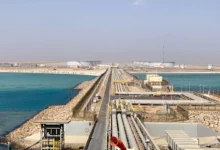
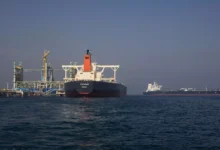
According to tanker-tracking data reported by Reuters on Monday, September 21, 2026, Aramco loaded about 14 million barrels of crude onto seven supertankers near Ras Tanura on Sunday. The increase followed the disruption of the East-West Pipeline on September 13, prompting the company to rely more heavily on eastern ports and the Gulf route to maintain supplies.
14 million barrels loaded near Ras Tanura
Satellite images reviewed by Reuters showed seven supertankers in the vicinity of Ras Tanura port, while data from TankerTrackers.com indicated that nearly 14 million barrels had been loaded onto them. A very large crude carrier (VLCC) typically holds huge volumes of crude, making this activity an important indicator of accelerated exports from the eastern coast.
The data indicates that Saudi crude exports through the Strait of Hormuz rose to an average of about 2.9 million barrels per day during the past week, compared with approximately 700,000 barrels per day in August, clearly reflecting a reshuffling of shipping routes.

60 million barrels under a shipping program via Sohar
Earlier Reuters reports said Saudi Arabia had arranged the sale of about 60 million barrels of Ras Tanura crude for September and October loadings, using ship-to-ship transfers near the port of Sohar in Oman. This arrangement allows crude to continue reaching key buyers in Asia, particularly China, South Korea, India and Japan.
The increase in loadings does not mean logistical risks have ended; vessel traffic through the Strait of Hormuz remains far below normal levels. Reuters reported that 17 trackable commodity vessels crossed the strait over the weekend, compared with 37 the previous week, while the average before the escalation was much higher.
Brent falls below $100
Improved flows of Saudi crude from the Gulf helped ease some supply concerns. Brent crude fell below $100 per barrel on Monday for the first time since September 9, as markets monitored any signs of export stability and developments involving alternative routes.
As a result, the resilience of Saudi infrastructure and its various export routes has become an influential factor in oil-market movements in recent days. However, energy prices remain highly sensitive to security developments, shipping activity and freight costs, meaning that a one-session price move does not represent a guaranteed trend or an investment recommendation.
Why does this development matter to the energy market?
Ras Tanura is one of the world’s most important oil-export centers, so increased loading activity there sends buyers a direct signal about the ability of Saudi supplies to reach markets despite the constraints affecting the western route. The larger volumes heading to Asia are also reshaping crude flows geographically and affecting transportation costs and price differentials between regions.
Markets continue to monitor the pace of shipments from Saudi ports, tanker traffic through Hormuz and the extent to which other routes return to stable operation in the coming period.