
WHO and UNICEF: Supporting Breastfeeding Gives Children a Healthy Start and Requires Support from Families and Workplaces
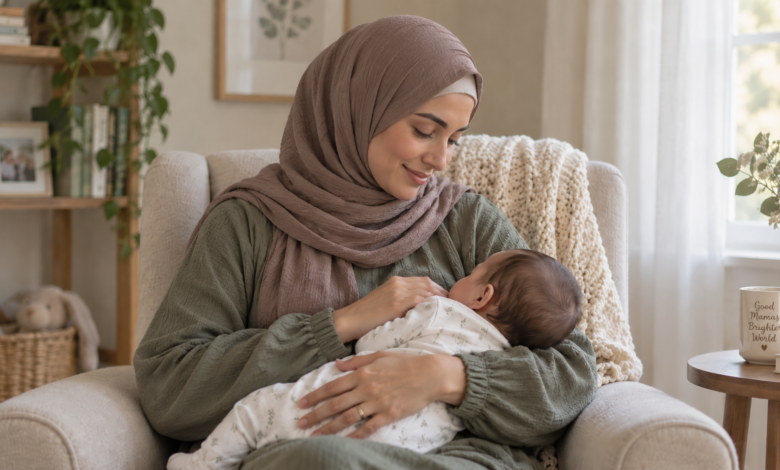
The World Health Organization and UNICEF have called for expanded support for mothers throughout their breastfeeding journey, stressing that successful breastfeeding does not depend on mothers alone but requires a system that includes families, health services, workplaces and communities.
The call came as part of 2026 updates related to World Breastfeeding Week, under a theme focused on strengthening proven practices and giving every child a better healthy start in life.
Support begins in the first hours
The World Health Organization recommends initiating breastfeeding within the first hour after birth whenever possible, continuing exclusive breastfeeding for the first six months, and then introducing appropriate complementary foods while continuing breastfeeding until the age of two or beyond.
The guidelines highlight the importance of direct skin-to-skin contact between mother and infant and providing mothers with practical assistance in hospital, particularly with breastfeeding positioning and managing common difficulties during the first days.

Families and workplaces are part of the solution
According to the joint statement, mothers need support that extends beyond health facilities. Adequate maternity leave, suitable spaces for breastfeeding or expressing milk, and support from family members can help mothers continue breastfeeding for longer.
The two organizations also call for stronger community counseling programs and training for health care providers to offer evidence-based information, rather than leaving mothers to navigate conflicting advice from non-specialized sources.
A message to mothers: Support matters
Every mother’s and child’s experience is different, and health or practical challenges may make breastfeeding more difficult. The aim of the guidelines is therefore not to pressure mothers, but to ensure they receive accurate information and professional support that respects their circumstances and needs.