
Beyond Screens: 8 Fun At-Home Activities for Children by Age
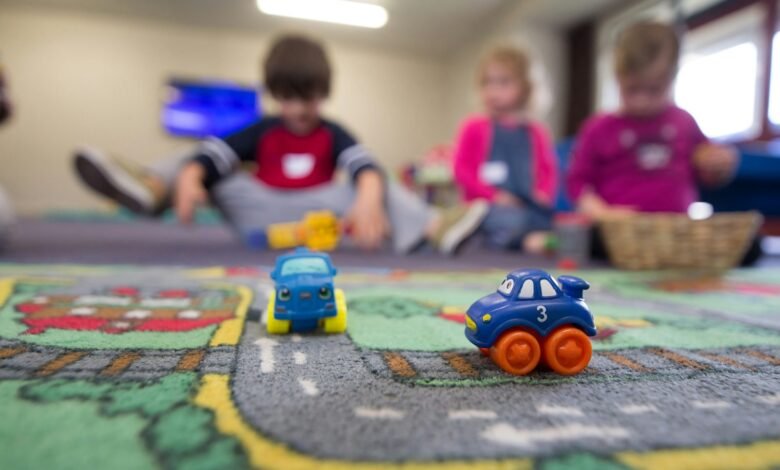
With screens woven into everyday life, families sometimes need simple ideas that bring children back to movement, imagination and real-world interaction. Activities do not have to be expensive or complicated; some of the best games can be made with items already found at home. UNICEF emphasizes that play helps children explore and build important skills, and also suggests a range of screen-free activities for different age groups.
For children ages 2 to 4: Animal imitation
Choose animals the child knows, then take turns imitating their sounds or movements. The child can hop like a rabbit or walk slowly like a tortoise while family members try to guess the animal. The activity combines movement with language and imagination, and can be done in an area cleared of sharp furniture or breakable objects.
Ages 3 to 5: A home band
Use safe household containers and items to create simple rhythms, avoiding glass, sharp tools and small objects that could pose a choking hazard. Start with a short rhythm and ask the child to repeat it, then let them lead the “band” themselves. UNICEF suggests playing with sounds and household items as an activity suitable for young children.
Ages 4 to 6: A safe movement course
Create a simple course using firm cushions or paper markers on the floor: walk along the line, jump three times, walk around the chair, then return to the starting point. The area should be nonslip, and an adult should supervise. The CDC says children ages 3 to 5 should be active throughout the day, with encouragement to engage in enjoyable physical play.

Ages 5 to 8: A treasure hunt
Hide several safe, familiar objects around the home and write short clues leading to them. The clues can be educational: “Find something round” or “Go to the place where we keep the books.” The game combines observation, language and problem-solving, and is among the ideas UNICEF suggests for children in this age group.
Ages 6 to 9: A round-robin story
One family member begins with a single sentence, and each person adds a new sentence until a complete story takes shape. Encourage the child to describe the characters, setting, problem and solution without correcting every word during the game. The goal is to spark imagination and expression while encouraging children to listen to others.
Ages 7 to 10: A drawing and guessing challenge
Write the names of animals, objects or places on pieces of paper. Each player draws a piece of paper and illustrates what is written on it without writing the name. Simplify the words for younger children and increase the difficulty for older ones. Use age-appropriate pens and materials, and avoid small pieces with younger children.
Ages 9 to 12: A mini family Olympics
You can organize simple physical contests, such as counting safe jumps completed within a set time or walking in balance along a line drawn on the floor. Do not make winning the only goal; it is better to track progress and encourage participation. The CDC recommends that children and adolescents ages 6 to 17 get 60 minutes or more of physical activity each day, with varied, age-appropriate and enjoyable activities.
For teenagers: A game night or family cooking
Let the teenager choose a board game or family puzzle, or take part in preparing a simple dish with appropriate supervision. UNICEF suggests activities such as game night and cooking with the family for teenagers as practical alternatives to screens. In the kitchen, age and skill level should be taken into account when handling heat, knives and appliances.
How to make the activity a success
- Choose an activity suited to the child’s age, abilities and interests.
- Start with 15 to 20 minutes instead of imposing a long period.
- Give the child room to change the rules and be creative.
- Stop the activity if the area becomes unsafe or unusual fatigue appears.
- Make parental participation part of the fun, rather than simply observing.
The goal is not to turn every minute into a lesson, but to give children enjoyable time to move, experiment and connect. For children with a health condition or activity restrictions, a doctor or specialist should be consulted about suitable activities.