
Reuters Enters AI Video Editing Through Partnership with CuttingRoom
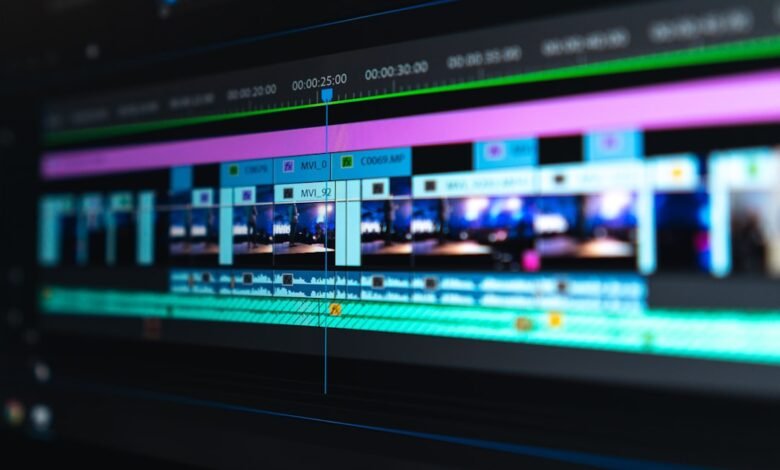
Reuters has announced a new partnership with the CuttingRoom platform to integrate AI-powered video editing tools into newsroom environments, in a move that reflects the shift of AI technologies from assisting with writing and research to carrying out full visual production tasks inside newsrooms.
According to Reuters’ announcement, issued on September 12, 2026, the collaboration links the agency’s Model Context Protocol (MCP) server with the cloud-based CuttingRoom editing platform. This enables editors to search Reuters’ trusted visual content and carry out editing and publishing operations from a browser using commands written in natural language.
What will AI tools do inside the newsroom?
The integration relies on the ShortCut editing assistant within CuttingRoom, a system that allows editors to describe what they need in text—for example, creating a shortened version of a report, cleaning up audio, adding captions, reformatting video for different platforms, or preparing a clip for publication on social media.
The two companies say the system is not limited to simple automated cuts, but can handle tasks including editing, audio mixing, color correction, adding titles and subtitles, and preparing different versions of the same material, while keeping the edits within an editing environment that users can review and control.




CuttingRoom explains on its website that ShortCut is part of a broader effort toward AI-powered cloud editing, and that its platform also supports connections to external assistants through MCP to carry out more complex workflows.
Why does the move represent an important shift for the media?
The significance of the announcement is not limited to saving time. Newsrooms deal with large volumes of video every day and often need to produce multiple versions of the same material within a short period: one for a website, another for social media platforms, short clips for mobile phones, and possibly translated versions for different audiences.
Introducing text commands into this process could reduce the time editors spend on repetitive technical tasks, leaving them more room to focus on verification, context, and selecting appropriate footage—elements that remain directly tied to human editorial judgment.
At the same time, important questions arise about the accuracy of automated edits, the limits of AI intervention in news content, and the need for clear editorial policies to prevent any changes that could affect meaning or context. Reuters therefore notes that newsrooms remain able to set the rules governing use of the system and retain control over data and workflows.
AI moves from writing to full production
The move comes as part of a broader wave in which media organizations are using AI for translation, summarization, research, archive management, and caption generation. What is new here is the technology’s growing proximity to carrying out actual parts of the visual production process, rather than merely offering suggestions to the editor.
More developments in this sector can be followed through the Artificial Intelligence section and the Technology section of Break Media News.
Illustrative image — Photograph by Peter Stumpf via Unsplash.