
WHO prequalifies multi-dose RSV vaccine vial in step toward expanding infant protection globally
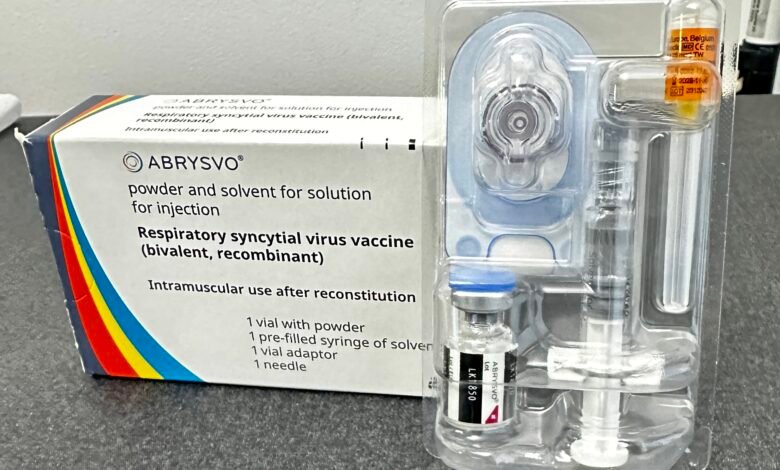
The World Health Organization has announced the prequalification of the multi-dose presentation of the RSVpreF vaccine, marketed as ABRYSVO, which is intended to vaccinate pregnant women against respiratory syncytial virus. The organization said the move could help expand protection for infants against severe respiratory disease and pneumonia.
The decision follows the prequalification of the vaccine’s single-dose presentation in March 2025, and comes amid broader international efforts to facilitate access to vaccines in low- and middle-income countries.
Key figures and recommendations
- More than 3.6 million hospital admissions annually due to RSV among children.
- Approximately 100,000 deaths annually among children under five, according to WHO estimates.
- Nearly half of the deaths occur among infants under six months old.
- About 97% of deaths occur in low- and middle-income countries.
- WHO recommendation: maternal vaccination from week 28 of pregnancy, or use of nirsevimab for infants, according to the national program.
Follow the latest medical updates from international sources through the Health section.
Why is RSV dangerous for children?
Respiratory syncytial virus is one of the leading causes of respiratory disease and hospital admissions among children worldwide. According to the World Health Organization, RSV causes more than 3.6 million hospital admissions and approximately 100,000 deaths annually among children under five.

The organization says that nearly half of these deaths occur among infants younger than six months, the group the vaccine aims to protect by immunizing the mother during pregnancy.
How does maternal vaccination protect the child?
The vaccine is administered to pregnant women during the third trimester, allowing antibodies to pass from the mother to the fetus before birth. This immunity is intended to protect the child during the first six months of life, when the risk of RSV complications is highest.
The World Health Organization recommends administering the vaccine to pregnant women from week 28 of pregnancy to improve the transfer of antibodies to the child.
Why is the multi-dose vial important?
The World Health Organization says the multi-dose presentation could make vaccination programs more feasible to implement on a large scale, particularly in countries receiving support from the Gavi Alliance. The new vial is expected to help reduce costs and facilitate vaccination planning within national programs.
According to the organization, the development of this lower-cost presentation was supported by the Gates Foundation, in an effort to narrow the gap between countries able to provide modern vaccines and those that continue to face supply, financing and health infrastructure challenges.
97% of RSV deaths occur in lower-income countries
Among the key figures cited by the organization is that approximately 97% of RSV deaths occur in low- and middle-income countries, where supportive care may be less available and some children may die before reaching health facilities.
For this reason, the organization considers expanding preventive vaccination an important tool for reducing the health burden, alongside another option: administering the monoclonal antibody nirsevimab to infants.
What is the World Health Organization’s recommendation?
The organization recommends that countries adopt one of two approaches to protect infants: either vaccinate mothers with the RSVpreF vaccine during pregnancy, or introduce nirsevimab into child prevention programs. The choice varies according to local capacity, cost and the way health services are delivered.
Frequently asked questions about the RSV vaccine
What does WHO prequalification mean?
It means that the product has undergone assessment by the World Health Organization under its prequalification program, supporting its use in international procurement and immunization programs in accordance with approved requirements.
How does maternal vaccination protect an infant?
Some of the mother’s antibodies pass to the fetus before birth, helping protect the child during the first months of life.
Is vaccination the only preventive option?
No. The organization also recommends the monoclonal antibody nirsevimab for infants, depending on the health program and local conditions.
For more reliable medical news, follow the Health section.
Source
Source: World Health Organization, September 9, 2026.
Featured image: Vaccine against respiratory syncytial virus (RSV) — Whispyhistory / Wikimedia Commons, available under CC0 1.0.