
“Waqaa” launches 7 plant health atlases to strengthen pest monitoring and protect crops
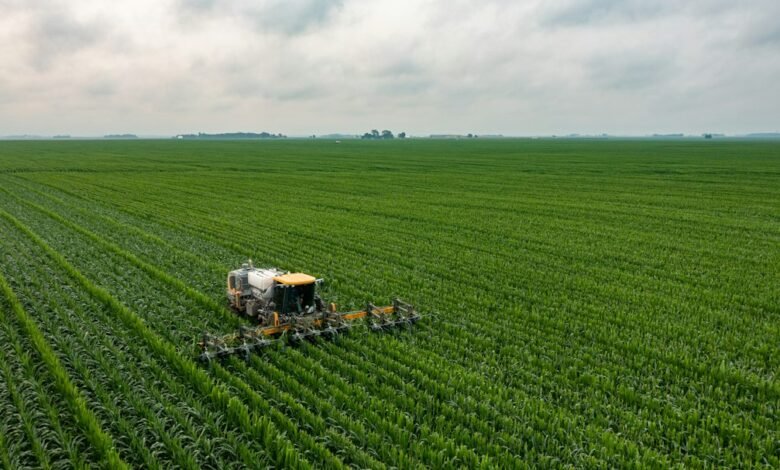
The National Center for Prevention and Control of Plant Pests and Animal Diseases, “Waqaa,” has launched seven specialized plant health atlases in a move aimed at enhancing field knowledge and supporting the monitoring, diagnosis and control of pests affecting crops and vegetation in the Kingdom.
What do the new atlases include?
According to the Saudi Press Agency, the atlases are part of Waqaa’s efforts to provide scientific and practical references that help specialists and interested parties identify plant pests and diseases and improve the efficiency of responses to them. The project is particularly important amid the growing need for standardized reference tools that support early prevention and limit the losses pests may cause to the agricultural sector.
Plant health and food security
Monitoring plant health is an essential part of the food security system. Early detection and accurate identification of pests help in selecting appropriate control measures and reducing the risk of their spread among farms and agricultural areas. Illustrated references and organized data also help speed up diagnosis and improve the quality of field reports.
Waqaa operates as the national authority responsible for preventing and controlling plant pests and animal diseases. These publications serve as a knowledge tool for specialists, researchers and workers in the agricultural sector.



Why do they matter to farmers and specialists?
Having specialized atlases makes it easier to compare visible signs on plants with the scientific description of a pest or disease, giving field teams a more consistent reference during inspections. They can also support training and awareness efforts and enhance the ability to respond before limited outbreaks develop into a broader problem.
The launch of the atlases comes at a time when protecting agricultural resources and improving production efficiency are becoming increasingly important worldwide, particularly amid climate pressures and changing patterns in the spread of some pests. Investment in monitoring and preventive knowledge therefore remains a complementary component of agricultural expansion and improved sustainability.
Source
Primary source: Saudi Press Agency (SPA), October 1, 2026, citing the National Center for Prevention and Control of Plant Pests and Animal Diseases, “Waqaa.”