
Morning Chaos Before School? 8 Practical Steps to Reduce Rushing and Conflict with Your Child
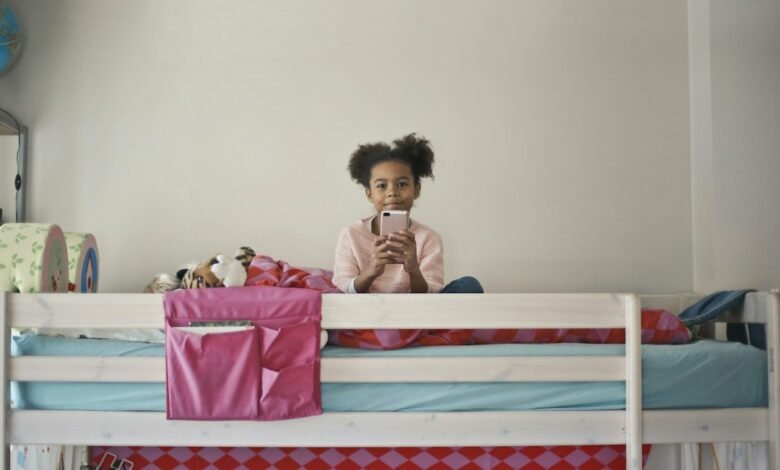
Morning chaos before school can begin with small details: a child who cannot find their shoes, an unprepared backpack, a delayed breakfast, or repeated reminders that escalate into tension and shouting. The problem is not necessarily that the child is “lazy” or “stubborn”; in many homes, the simple issue is that mornings involve too many tasks in too little time, while children need a clear, consistent routine so they know what is expected of them.
1. Start the night before
The biggest shortcut to a calmer morning happens before bedtime. Prepare the school uniform, shoes, backpack, water bottle and anything needed for activities, and keep them all in one place. The American Academy of Pediatrics notes the benefit of having a designated place for school items and also suggests laying out clothes in advance to reduce the number of tasks the child faces in the morning.
2. Turn instructions into short steps
Instead of repeatedly saying, “Get ready quickly,” make the expectations clear: use the bathroom, get dressed, eat breakfast, brush your teeth and take your backpack. For younger children, you can use a picture checklist on the wall. UNICEF guidance recommends that expectations be specific and actionable; children understand clear instructions better than general ones.
3. Allow realistic time to wake up
If the schedule works only when everything is done at the last minute, it is a fragile schedule. Try moving wake-up time 10 or 15 minutes earlier if the child needs more time to transition between tasks, while maintaining an age-appropriate bedtime. The goal is not to wake up unnecessarily early, but to remove the pressure of the final few minutes.

4. Reduce morning decisions
Too many choices consume time. You can agree on clothing the night before and prepare simple breakfast options. If you want to give your child room to be independent, offer two suitable choices instead of asking an open-ended question: “Would you like a banana or an apple?” Simple participation gives the child a sense of capability without disrupting the routine.
5. Use reminders instead of shouting
Approach the child, calmly name the next step, and then give them a short time to carry it out. UNICEF encourages positive discipline and praising good behavior rather than relying on shouting and punishment. Praise specific behavior: “You packed your backpack without being reminded—excellent,” rather than using only a general compliment.
6. Keep breakfast simple and accessible
School mornings do not require a complicated recipe. HealthyChildren, an initiative of the American Academy of Pediatrics, explains that a nutritious breakfast is associated with better concentration and energy at school. Prepare quick options that suit the family, and if time is a problem, prepare whatever you can the night before.
7. Do not turn every morning into a battle
If the child is slow with a step that is not dangerous, avoid getting into a lengthy argument while getting ready. Note the problem and discuss it later, when everyone is calmer: What held us up today? What change should we try tomorrow? A successful routine is adjusted through experimentation, not punishment.
8. When does the family need help?
Occasional lateness is normal. But if getting ready becomes severely and persistently difficult, or is accompanied by repeated refusal to attend school, severe anxiety, clear sleep problems, emotional outbursts that disrupt daily life, or noticeable difficulties with attention and organization at home and school, contact the school and a pediatrician or appropriate specialist. The cause of these difficulties cannot be diagnosed from the routine alone, and the full picture may require a professional evaluation.
A brief plan for tomorrow morning
- Tonight: Put the clothes, backpack and shoes in a designated place.
- Morning: Use a list of 4–5 clear steps.
- Leave a time buffer instead of scheduling everything to the last minute.
- Offer two simple choices when a choice is appropriate.
- Praise specific achievements, and discuss problems after the morning pressure has passed.
Sources
UNICEF Parenting: Guidance on positive discipline and family routines. HealthyChildren.org, an initiative of the American Academy of Pediatrics: Growing Independence, Ten Tips for Your Child’s Success in School, and Back-to-School Tips for Families.