Samsung: HBM Could Account for 30% of DRAM Production Capacity in 2027
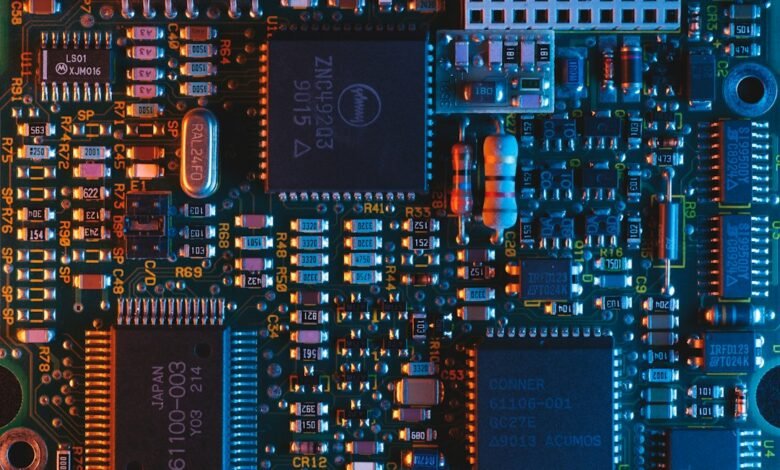
The global memory industry is undergoing a clear shift in production lines as demand for high-bandwidth memory (HBM) chips accelerates. Samsung Electronics expects HBM’s share to approach 30% of total DRAM chip capacity next year.
From 20% to Nearly 30%
Kim Taewoo, executive vice president at Samsung Electronics, said HBM currently accounts for about 20% of the industry’s DRAM chip capacity, with the share expected to rise to nearly 30% in 2027, according to Reuters on September 29, 2026.
HBM uses vertically stacked memory chips to enable extremely fast data transfer, making it an essential component in advanced computing systems and data centers.
Potential Pressure on Conventional DRAM
The significance of this shift lies in the fact that HBM and conventional DRAM compete for the same chip manufacturing capacity. As a larger share is allocated to HBM production, the capacity available for some types of conventional memory could become more constrained, an important factor for manufacturers of computers, servers and electronic devices.
Technological Race Among Major Manufacturers
Samsung, SK Hynix and Micron are competing in the rapidly growing HBM market. Samsung announced in May that it had begun shipping samples of 12-layer HBM4E, with speeds of up to 16 gigabits per second, as part of its plan to meet next-generation computing workloads.
Sources: Reuters, September 29, 2026; Samsung Newsroom, May 29, 2026.