
Saudi Central Bank Raises Repo Rate by 25 Basis Points to 4.50%: What Does the Decision Mean?
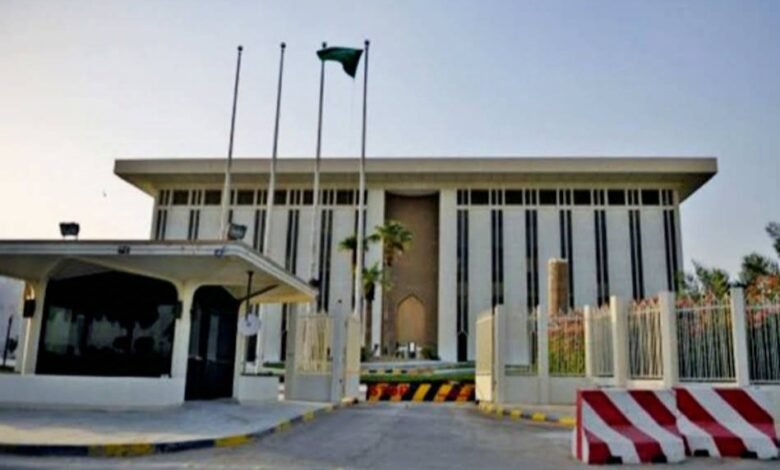
Saudi Arabia’s central bank, SAMA, raised its repurchase and reverse repurchase agreement rates by 25 basis points, tightening monetary policy after the US Federal Reserve raised interest rates for the first time in more than three years.
According to the official announcement issued by SAMA, the repurchase agreement rate, or repo, rose to 4.50%, while the reverse repurchase agreement rate, or reverse repo, rose to 4.00%. The central bank said the decision was consistent with its mandate to maintain monetary stability.
What is the difference between the repo and reverse repo rates?
The repo rate is one of the central bank’s key tools for managing liquidity and the cost of funds in the banking system, as it is linked to financing obtained by banks against securities. The reverse repo rate, meanwhile, is linked to deposits of liquidity with the central bank. As a result, changes in the two rates gradually affect liquidity conditions and interbank interest rates, and may subsequently influence borrowing and saving costs across the economy.
Raising the two rates does not mean that all loans or deposits will change by the same amount or at the same time. The actual impact varies according to the type of banking product, whether the interest rate is fixed or variable, the term of the financing and each bank’s policies.


Why did the decision come now?
The Saudi move came after the US Federal Reserve raised its target interest-rate range by 25 basis points to 3.75%–4.00%. Given the Saudi riyal’s peg to the dollar at 3.75 riyals per dollar, US monetary policy moves have a direct significance for managing domestic monetary conditions and maintaining exchange-rate and liquidity stability.
Reuters’ monitoring of Gulf markets showed that Saudi Arabia raised its repo and reverse repo rates to 4.50% and 4.00%, respectively, in tandem with similar moves in several Gulf economies following the Fed’s decision.
What does this mean for individuals and companies?
Monetary tightening may increase the cost of some forms of new borrowing, particularly products linked to variable benchmark rates, while potentially supporting returns on certain savings and deposit products. Existing fixed-rate financing, however, does not automatically change simply because the monetary policy rate has been adjusted.
For companies, the cost of financing remains an important factor in investment and expansion decisions. However, the impact of the decision cannot be assessed in isolation from economic growth, banking-sector liquidity, inflation and domestic demand. Saudi Arabia’s latest inflation data showed the annual rate holding steady at 1.8% in August 2026, making the balance between monetary stability and growth conditions a key focus in monitoring the period ahead.
Markets watch the next step
Attention is now turning to the path of US inflation and the Fed’s upcoming decisions, after monetary policymakers indicated that risks of higher prices remain. Domestically, liquidity indicators, interbank interest rates and bank credit will remain among the key measures showing how SAMA’s decision is transmitted to the real economy in the coming weeks.
Sources
- Saudi Central Bank (SAMA) – Decision on the repurchase and reverse repurchase agreement rates, September 16, 2026.
- Reuters – Gulf markets and interest-rate decisions, September 17, 2026.