
Opinion: AI Enters the Newsroom—but Speed Alone Is Not Enough
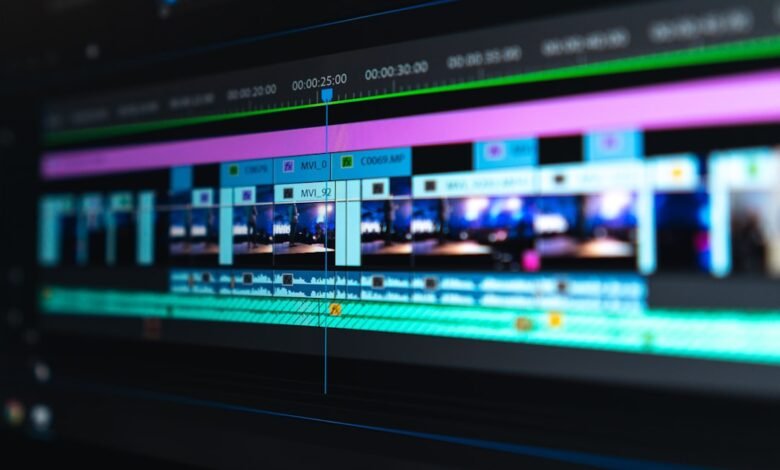
Artificial intelligence is no longer a peripheral tool in newsrooms. The latest development is its shift from assisting with writing and summaries to becoming part of the editorial workflow itself: searching for material, cutting video, adding headlines, adapting formats for different platforms, and even carrying out complete editorial instructions in natural language.
Reuters recently announced an integration between its MCP-based server and the CuttingRoom platform for AI-assisted video editing, allowing editors to access reliable material and edit it in the browser using direct commands.
The benefit is clear: time
Newsrooms operate under constant pressure. Every minute between an event occurring and the news reaching the reader has value. When smart tools streamline research, editing and reformatting, they give journalists more time to focus on what machines cannot easily resolve: Why did it happen? What is missing from the account? And is the information truly reliable?
The problem begins when speed becomes an end in itself
Any automated system can produce content quickly, but news is not a competition over the number of words or clips published. A single mistake in a name, number or context can damage the reader’s trust more than dozens of fast news reports can benefit it.
That is why the most important idea emerging from the new experiments appears to be keeping the news organization in control of editorial rules, data and content sources. Artificial intelligence should operate within editorial standards, rather than having those standards become subordinate to what the model is capable of producing.
The future of newsrooms is hybrid
Most likely, the editor will not disappear; rather, the role will change. Mechanical tasks will become faster and more automated, while the value of verification, analysis, editorial judgment and the ability to understand the audience will increase.
For Arab news websites, the opportunity is significant: faster translation, better summaries, synthetic voice, video editing and a more personalized reader experience. But the real advantage will not lie in owning the tool, but in using it in a way that preserves trust.
Conclusion: Speed matters, but inaccurate fast news is still bad news. Artificial intelligence becomes genuinely useful when it makes journalists more accurate, not merely faster.