
Your Child’s Car Seat: A Practical Guide to Choosing the Right Seat and Avoiding Common Safety Mistakes
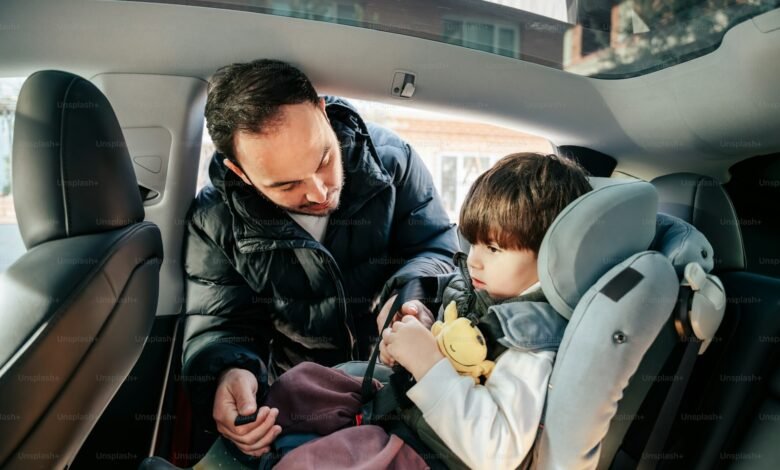
A school run or a short trip to the store may seem safe and routine, but protecting a child in the car begins before the engine is started. Choosing a seat appropriate for the child’s age and size, and installing and using it correctly on every trip, are among the most important steps in preventing road-traffic injuries. The Saudi Ministry of Health confirms that seating children in the rear seat and using a properly installed child restraint suitable for their age and weight helps reduce the likelihood of injury and serious injury.
Do Not Choose a Seat Based on Age Alone
Age is important, but it is not the only criterion. Always check the height and weight limits listed on the child seat, as well as the manufacturer’s instructions and the vehicle manual. The Centers for Disease Control and Prevention (CDC) recommends keeping infants and young children in a rear-facing seat until they reach the maximum height or weight allowed for that position in the seat being used.
After exceeding the limits of the rear-facing seat, the child should move to a forward-facing seat with an internal harness and top tether, in accordance with the seat’s instructions. Once the child exceeds the limits of that seat, they should use a booster seat until the vehicle seat belt fits their body properly.
How Do You Know When the Seat Belt Fits Properly?
Do not rush to move a child from a booster seat to a regular seat belt simply because the child has grown older. According to the CDC, the belt fits properly when the lap portion lies across the upper thighs, not the abdomen, and the shoulder belt crosses the middle of the shoulder and chest, away from the neck and face. This is often achieved between the ages of 9 and 12, but children grow at different rates, and the fit of the belt may also vary from one vehicle to another.

The Rear Seat Is the Safest Place
The CDC recommends keeping children properly restrained in the rear seat until the age of 13. A rear-facing child seat should also never be placed in front of an active front airbag, because the force of the airbag deploying in a crash can cause serious injuries.
The Saudi Ministry of Health highlights the importance of using an appropriate child car seat for children under 12 who are shorter than 135 cm, while taking into account the type of seat, its weight and height limits, and the manufacturer’s instructions.
5 Quick Checks Before Every Trip
- Seat stability: Make sure it is installed according to the seat and vehicle manuals and does not move noticeably along the installation path.
- Tight harness: It should not be loose or twisted, and its position should comply with the seat’s instructions.
- Seat appropriate for the child’s size: Do not move to the next stage before the child reaches the height or weight limits set by the manufacturer.
- Correct position: Keep the child in the rear seat, and do not place a rear-facing seat in front of an active airbag.
- Every trip matters: Use the appropriate restraint system even on short trips close to home.
Common Mistakes That Can Be Avoided
Common mistakes include buying a used seat without knowing its history or whether it has been involved in a crash, moving to the next type of seat too early, or installing the seat without consulting the vehicle and seat manuals. The Saudi Ministry of Health advises avoiding used seats when their history is difficult to determine. It also stresses that a higher price does not necessarily mean a seat is the most suitable; what matters most is that it fits the child and the vehicle and is installed correctly.
During long journeys, monitor the child and take appropriate breaks. Never leave an infant or child unattended in a vehicle. If a child has a disability or medical condition that affects how they sit or are restrained, consult a doctor or qualified specialist to choose a restraint system that meets their needs; general information does not replace an individual medical assessment.
The Family Rule Before Moving the Car
Keep the rule simple and consistent: the car does not move until everyone is properly restrained. As the child grows, review the seat’s limits regularly rather than relying on age or comparing the child with siblings and peers. A few minutes spent checking the seat and harness can make a significant difference in a crash.
Sources
- Saudi Ministry of Health – Child Safety in the Car.
- CDC – Preventing Child Passenger Injury, updated April 23, 2026.